Is Your Car Engine Overheating? Don’t Panic! Here Are the Causes and Tips to Fix It
2025-09-18 12:50:56
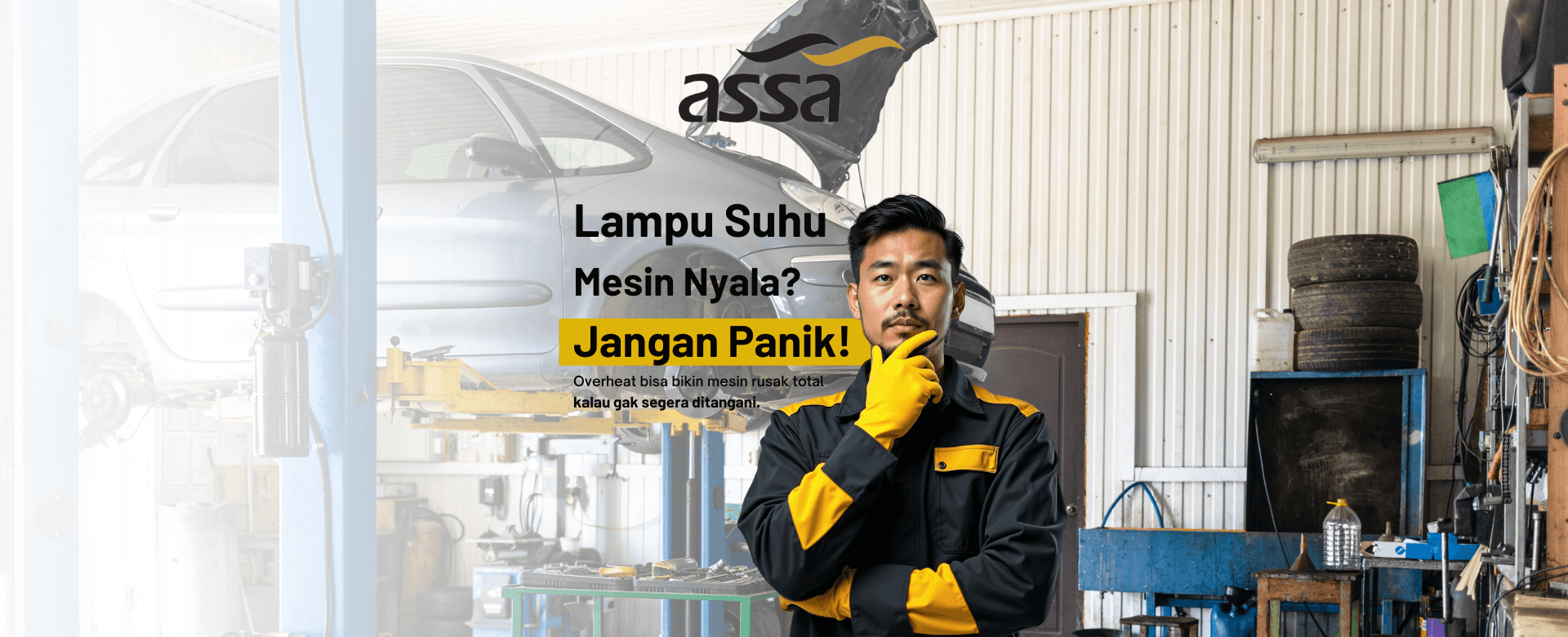
Did the engine temperature warning light suddenly turn red, or did you notice a strange smell coming from under the hood? Situations like this often cause panic, especially when you’re in the middle of a trip. An overheating car engine is not something to take lightly.
If it’s not handled quickly and properly, it can lead to severe engine damage and very costly repairs. Understanding the causes and knowing the right steps to take are essential.
What Causes a Car Engine to Overheat?
A car engine generates heat as a result of fuel combustion and friction between components. That’s why a cooling system is designed to keep the engine temperature stable during operation. If one component in this system fails, the engine temperature can rise rapidly and exceed safe limits.
Below are some common causes of engine overheating:
Radiator Problems or a Dirty Radiator
The radiator’s function is to cool the coolant circulating inside the engine. If the radiator is dirty or clogged with scale and debris, the cooling process will not work effectively. Coolant circulation becomes restricted, and engine heat cannot be released properly.
A clogged radiator is often caused by infrequent flushing or the use of plain water containing minerals, which can lead to scale buildup over time.
Radiator Fan Not Working Properly
The radiator fan helps force airflow through the radiator fins, especially when the car is stationary or moving slowly. If the fan fails due to a faulty fan motor, blown fuse, or damaged wiring, the cooling process will not be optimal.
This issue is usually most noticeable when the car is idling with the engine running, such as during heavy traffic. A common symptom of a faulty fan is the engine temperature rising quickly while the vehicle is stopped, then dropping again once the car starts moving. If this pattern appears, the fan system should be checked immediately.
Faulty or Stuck Thermostat
The thermostat is a temperature-regulating valve that controls the flow of coolant from the engine to the radiator. When the engine has not yet reached its optimal operating temperature, the thermostat remains closed. As the temperature rises, it opens to allow hot coolant to flow to the radiator for cooling.
If the thermostat is damaged and stuck in the closed position, coolant will not circulate, causing the engine temperature to rise rapidly.
Weak or Damaged Water Pump
The water pump is a vital component responsible for circulating coolant throughout the cooling system. If the water pump is weak or damaged, coolant circulation will be disrupted or stop entirely. As a result, engine heat cannot be transferred to the radiator, causing the engine to overheat quickly.
Engine Oil Not in Optimal Condition
In addition to lubricating engine components, engine oil also helps absorb and reduce heat within the engine. If the oil is dirty, the level is too low, or the oil quality does not meet specifications, its ability to manage heat decreases. This causes the engine temperature to rise above normal.
Regular oil checks and timely oil changes according to the recommended schedule are essential to keep the engine temperature under control.